

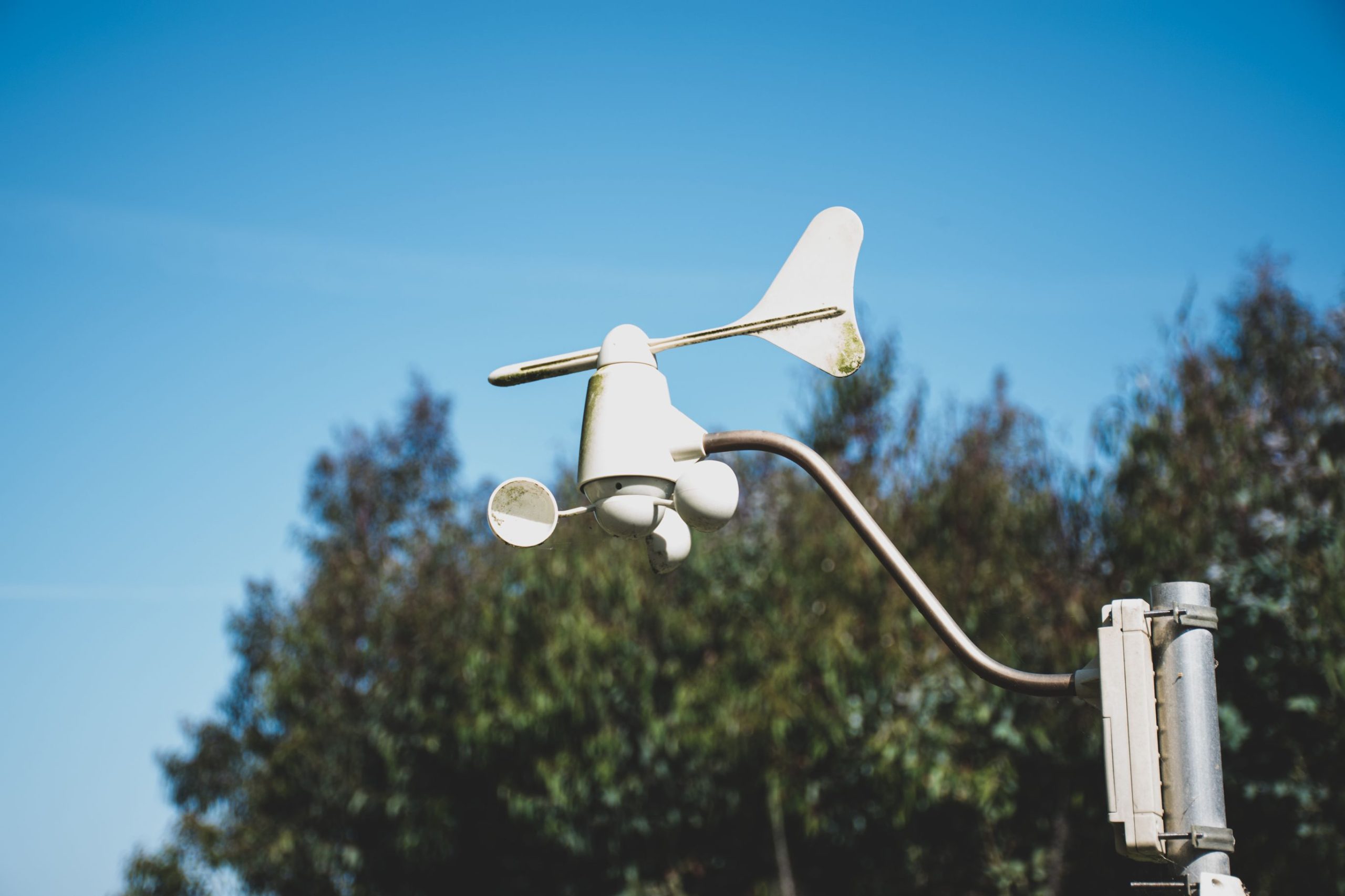
Want to know exactly what the weather is doing in your backyard? Today, a home weather station can give you surprisingly sophisticated observations, but choosing the right one depends on what you want to measure and how serious you are about the data.
3 Things To Know
- ACCURACY COMES FIRST: The Ambient Weather WS-2000 stands out for reliable, consistent measurements and is a strong choice for serious weather enthusiasts.
- THERE ARE GOOD OPTIONS FOR EVERY USER: Tempest emphasizes simple setup and a polished app, while the AcuRite Iris offers an affordable way to start tracking backyard weather.
- LOCATION MATTERS: Even the best weather station can produce questionable observations if it’s poorly placed. Keep sensors away from buildings, pavement, trees and other obstructions whenever possible.
Weather apps are great at telling you what is happening around your neighborhood. A personal weather station can tell you what is happening at your house.
For weather enthusiasts, gardeners and anyone who has ever wondered, “How much rain did I actually get?”, today’s home weather stations can measure temperature, humidity, wind speed, wind direction, rainfall and barometric pressure. Many also measure solar radiation and UV levels.
Add Wi-Fi, and some stations can upload observations to the internet, maintain historical records and let you check your backyard weather from anywhere.
But which one should you buy?
Consumer Reports and The New York Times’ Wirecutter have both put popular home weather stations through extensive testing. While their testing methods and individual recommendations differ, the results offer a pretty good roadmap for anyone thinking about building a little weather observing network of their own.
Our Best Overall Choice: Ambient Weather Station
If accuracy and traditional weather observations are your priorities, Ambient Weather stands out.
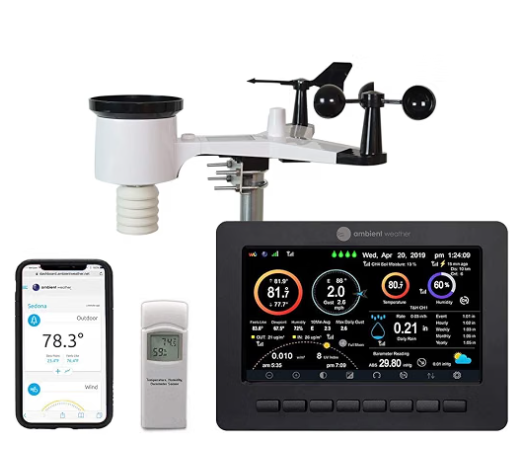
Wirecutter named the Ambient Weather WS-2000 its top overall weather station after months of testing. Its reviewers found it delivered the most consistent and reliable measurements among the stations tested and maintained its connection throughout the testing period.
That’s important. A weather station isn’t particularly useful if you can’t trust the numbers or it regularly stops transmitting them.
The WS-2000 measures the familiar weather variables, including temperature, humidity, rainfall, wind and pressure, and includes a detailed indoor display.
Wi-Fi connectivity also allows observations to be viewed through the Ambient Weather Network and its mobile app. Historical data can be explored online, and observations can be shared with third-party weather networks.
There is a trade-off: Setup isn’t as simple as some competitors. Wirecutter found the instructions and console menus could make getting everything running more complicated than necessary.
Still, for the weather enthusiast who cares most about the observations themselves, the WS-2000 offers a compelling combination of accuracy, connectivity and features.
Best for: Weather enthusiasts who want reliable observations, an indoor console and plenty of data to explore.
Best for Simplicity: Tempest Weather Station
The Tempest Weather Station takes a very different approach.
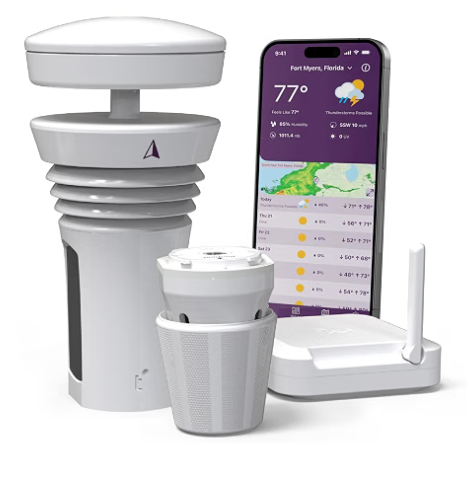
Instead of looking like a collection of traditional weather instruments, Tempest packages its sensors into a compact, modern unit with no moving parts.
That makes installation considerably easier.
Wirecutter found Tempest was the easiest station in its group to install, taking roughly 10 minutes once a mounting location was available. Its app also received high marks for design and ease of use.
The station measures the major weather variables and automatically sends the information to its app.
There is an important distinction, however.
Tempest uses algorithms and automatic calibration as part of its observing system. In some situations, its Nearcast system can adjust rainfall information using observations from nearby Tempest stations.
That’s clever technology, but weather purists who want to see measurements coming directly from their backyard instruments may prefer a more traditional station.
Wirecutter also found Tempest’s accuracy less consistent than its top pick, particularly for rainfall and humidity.
Best for: Someone who wants a sleek, easy-to-install station and a polished app without spending much time tinkering with hardware.
Best Budget Choice: AcuRite Iris Station
You don’t necessarily have to spend $300 or more to start collecting backyard weather observations.
The AcuRite Iris 5-in-1 offers temperature, humidity, wind, rainfall and pressure observations at a lower price than many enthusiast-level systems.
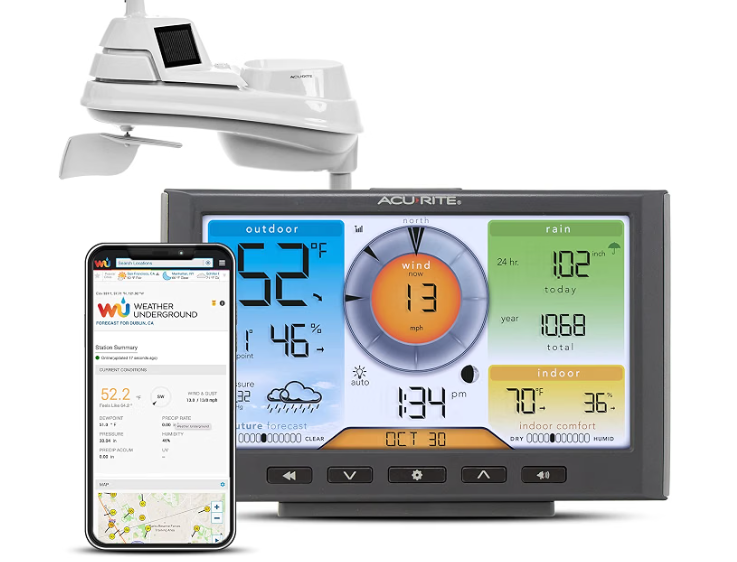
Wirecutter found the Iris particularly easy to set up and praised the amount of capability it provides for the money.
There are compromises.
Its temperature and humidity readings were less consistent during Wirecutter’s testing, although its rainfall measurements and pressure changes performed well.
The accompanying app and online tools aren’t as polished as some competitors, either.
Still, if your goal is simply to get started with your own backyard weather station without making a major investment, the Iris covers the fundamentals.
Best for: Beginners, families and casual weather watchers looking for an affordable entry into personal weather observing.
What Consumer Reports Found
Consumer Reports took a broader look at the category, testing 10 home weather stations from manufacturers including AcuRite, Ambient Weather, La Crosse, Sainlogic and WeatherFlow.
Its testing focused on four major considerations: accuracy, display quality, power source and features such as Wi-Fi connectivity.
Most of the stations performed reasonably well measuring temperature and humidity. Rainfall proved more challenging for some models.
That distinction is especially important if you are using your station for more than curiosity.
If you’re deciding whether your garden needs watering based on your rain gauge, for example, a small measurement error can suddenly matter quite a bit.
Accuracy Matters, but So Does the Display
It’s easy to focus entirely on the outdoor sensor package when shopping for a weather station, but don’t overlook the indoor display.
Some displays pack an enormous amount of information onto the screen but become difficult to read unless you’re standing directly in front of them.
Consumer Reports recommends considering both screen size and viewing angle.
A good console should allow you to glance across the room and quickly answer the questions most people actually care about:
What’s the temperature?
How much rain have we received?
How strong is the wind?
Is the pressure rising or falling?
If you have to walk across the room and stare at the screen to figure it out, even the most sophisticated display starts becoming less useful.
Wi-Fi Changes the Game
For serious weather enthusiasts, Wi-Fi connectivity may be one of the most useful features available.
Instead of observations living only on the display in your kitchen, connected stations can make your weather information available through a phone, tablet or computer.
Depending on the manufacturer, you may also be able to examine historical observations, create charts or share your station’s observations with larger personal weather station networks.
That turns your backyard instrument from a fancy thermometer into something much closer to your own miniature observing station.
Installation Can Make or Break Your Observations
Here’s something that’s easy to forget when shopping for a weather station:
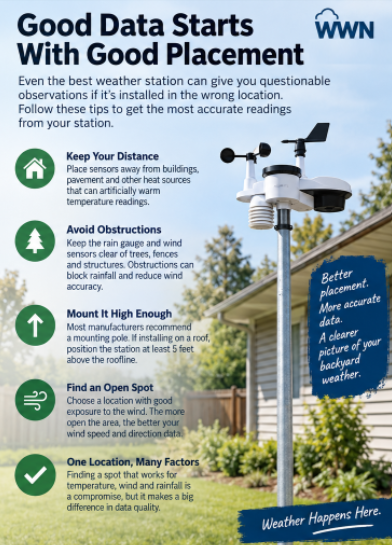
Even the best weather station can give you bad observations if you put it in the wrong place.
Temperature sensors placed too close to buildings, pavement or other heat sources can report temperatures that are too warm.
Wind sensors surrounded by trees and buildings won’t accurately represent the wind.
Rain gauges placed where trees or structures block precipitation can underestimate rainfall.
Consumer Reports notes that most of the stations it tested are designed to attach to a mounting pole. Roof mounting is another possibility, although manufacturers recommend positioning a station at least 5 feet above the roof to improve measurement quality.
The ideal location is a compromise. You want the temperature sensor away from artificial heat, the rain gauge unobstructed and the wind instruments exposed to the wind.
For many homeowners, finding one location that accomplishes all three is the hardest part of owning an all-in-one weather station.
What Should You Look For?
Before buying a station, think about what you actually want from it.
For the weather enthusiast: Accuracy, historical data and reliable connectivity should be near the top of the list. The Ambient Weather systems are particularly attractive here.
For the casual weather watcher: Ease of installation and a good app may matter more than squeezing every bit of accuracy out of the instruments. Tempest makes a strong case.
For beginners: AcuRite offers the basic observations without requiring the investment of a higher-end station.
For gardeners: Pay particular attention to rainfall accuracy. Tests from both publications show that rainfall can be one of the more challenging measurements for consumer weather stations.
For data lovers: Look for Wi-Fi connectivity, downloadable historical observations and compatibility with third-party weather networks.
The Bottom Line
There isn’t one perfect weather station for everyone.
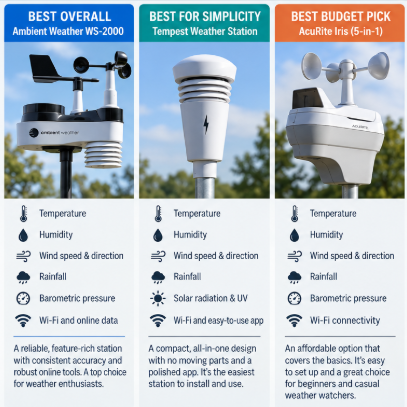
For a dedicated weather enthusiast, the Ambient Weather WS-2000 offers one of the strongest combinations of traditional instrumentation, accuracy and online connectivity.
The Tempest Weather Station is an intriguing alternative for someone who values simplicity, a modern design and an excellent app.
And the AcuRite Iris 5-in-1 provides a less expensive way to start measuring the weather in your own backyard.
Whatever you choose, remember that buying the station is only half the job.
Good siting matters.
Install it carefully, understand the limitations of its sensors and occasionally compare your observations with nearby official stations.
Do that, and checking the weather may soon mean something very different.
Instead of asking what the temperature is in your town, you’ll know exactly what it is in your backyard.
Sources
The Wisconsin Weather Now Digital Team
Consumer Reports, Best Home Weather Stations, March 14, 2025.
The New York Times Wirecutter, The Best Home Weather Stations, updated Nov. 10, 2025.
