


An Alberta Clipper may only bring 1–3 inches of snow, but timing, wind, and road conditions can make it feel bigger than the totals.
- What’s happening: A fast-moving Alberta Clipper brings light snow and wintry travel risk.
- What matters most: Road conditions and timing, not snowfall totals.
- Best advice: Slow down, plan extra time, and don’t let “1–3 inches” lull you into chaos.
At first glance, this system looks harmless. An Alberta Clipper sliding through Wisconsin may only drop around 1–3 inches of snow.
No blockbuster totals. No major storm vibes.
But clippers are famous for one thing: modest snowfall that causes outsized travel headaches.
“This is the kind of snow that doesn’t impress your snowblower — but it absolutely can wreck your commute.”
Why Light Snow Can Hit Hard
1) Cold pavement = instant stick
Clippers usually bring light, dry snow. When temperatures are below freezing, that snow can stick fast on untreated roads, parking lots and sidewalks.
2) Timing matters more than totals
Even a thin coating becomes a problem when it falls during overnight or morning commute hours, when pretreatment windows are tighter and traffic volume is higher.
3) Wind turns light snow into visibility issues
Snow totals may stay modest, but wind can create patchy drifting and sudden visibility drops in open areas — the kind of conditions that feel “fine” until they’re not.
“Fewer inches doesn’t automatically mean fewer problems — not when roads glaze over fast.”
Clipper Tracker
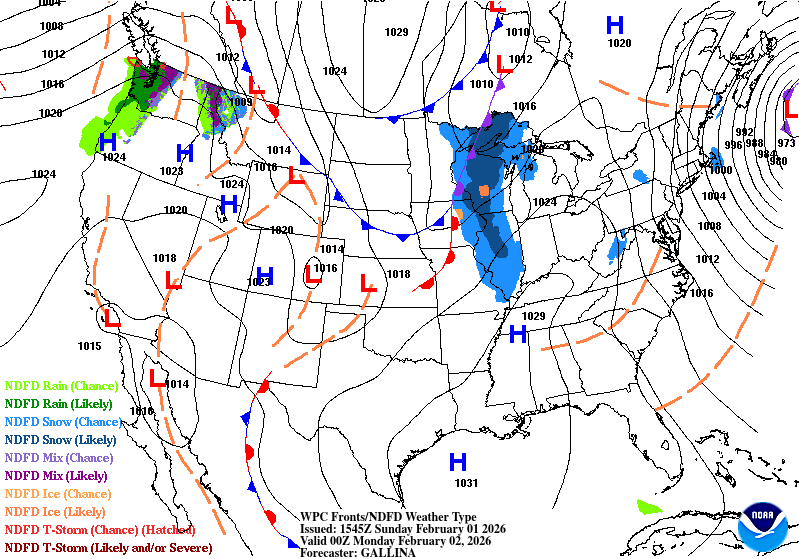
Clipper Tracker — Wisconsin Edition
- Snow Type: Light, dry, powdery
- Accumulation: Low totals, high efficiency
- Primary Impact: Slick roads and reduced traction
- Most Affected Spots: Bridges, ramps, untreated side streets
- Wildcard Factor: Wind-driven drifting and brief visibility drops
- Driver Takeaway: Plan extra time. Increase following distance.
What This Clipper Means for Your Day
This isn’t a “cancel everything” storm. It’s a “leave early and drive smart” setup.
Expect the most issues:
- Early morning commute
- Secondary roads and neighborhood streets
- Bridges and freeway ramps
- Open rural stretches prone to drifting
What To Do Now
- Budget extra time for the commute (even if snow totals sound “small”)
- Watch for sudden slick spots on ramps and bridges
- Keep the basics in the car: scraper, gloves, blanket, phone charger
- Slow down early: the first few hours of light snow can be the slipperiest
Clipper FAQ
Is 1–3 inches really enough to cause problems?
Yes — if temps are cold and the snow falls during busy travel times, roads can become slick quickly.
Why do clippers often feel worse than the totals?
Because the snow is dry and efficient, sticks quickly to cold pavement, and can be blown around by wind.
What’s the biggest risk with a clipper?
Not deep snow — loss of traction and uneven road conditions.
Bottom Line
If you’re looking for a “big storm,” this isn’t it.
But if you’re looking for a commute that suddenly gets annoying, a clipper is a top-tier candidate.
Stay with WWN for timing updates and quick-hit travel impacts.
One Last Note
Want this in your feed? Follow Wisconsin Weather Now for updates, quick graphics, and commute-focused breakdowns.
