

No storms, no headlines, but calm autumn weather quietly fuels Wisconsin’s economy, from energy savings to farm efficiency.
This week’s forecast doesn’t look dramatic: patchy fog, a few clouds, maybe a sprinkle. But while it might seem boring meteorologically, calm weather is quietly paying dividends across Wisconsin.
From power plants to farms and construction sites, calm conditions keep schedules running, costs lower, and energy use efficient, all without anyone really noticing.
The Economic Upside of Calm
When high pressure dominates, it brings steady temperatures, light winds, and minimal rain the trifecta of operational efficiency.
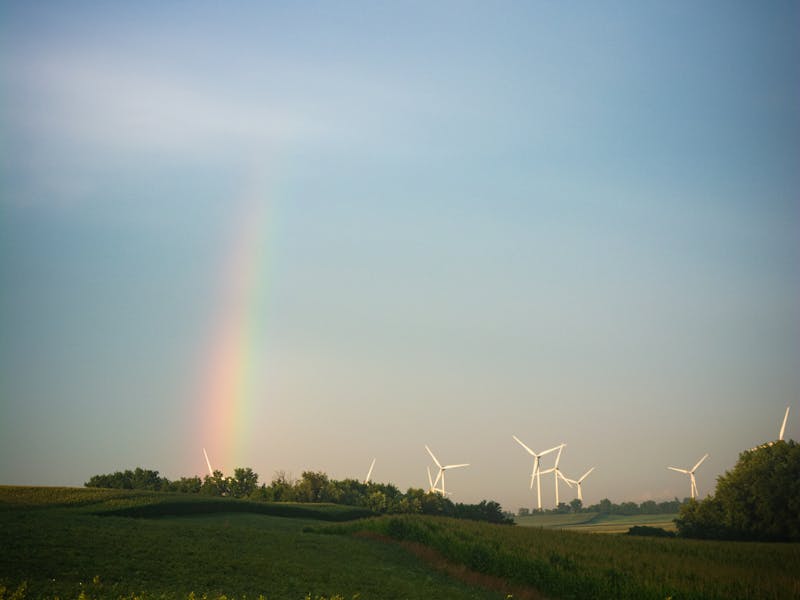
Utilities love it: stable demand for heating and electricity allows smoother energy management. In fact, according to state energy trackers, Wisconsin utilities typically see a 5–10% reduction in load volatility during long calm spells in late fall.
Farmers also benefit. Many use these quiet weather windows to finish harvests or prepare fields before freeze-up. Less mud, less downtime, and fewer delays moving equipment mean real savings in time and fuel.
Construction and roofing crews, who lose valuable days to rain or gusty winds, also thrive under stable patterns. When weather cooperates, projects stay on schedule — and costs stay predictable.
The Meteorology Behind the Calm
This week’s pattern is a textbook example of high pressure influence, air sinking and spreading out, blocking storms from forming. At the same time, a weak upper-level low lingers overhead, keeping enough moisture to trap clouds but not enough to cause rain.
It’s the “neutral gear” of weather, the atmosphere idling before its next move.
Why It Matters for Viewers
- Energy bills: Fewer temperature swings mean less furnace cycling, which can lower heating costs.
- Commute consistency: Dry roads and light winds keep travel safer and more predictable.
- Local businesses: Outdoor markets, landscapers, and farmers’ markets all thrive under mild skies.
Looking Ahead
Stable weather never makes headlines, but it’s the backbone of Wisconsin’s fall productivity. As we edge closer to November’s stormier stretch, this quiet spell is the perfect reminder that not every forecast has to roar to have an impact.
