


A major shift in the global climate pattern is underway. After months of La Niña conditions, forecasters now say the Pacific Ocean is transitioning toward neutral conditions, with increasing confidence that El Niño will develop later this year. This change could have wide-ranging impacts on weather patterns across the United States, including the Great Lakes region.
3 Things To Know
- La Niña is fading, with neutral conditions expected by late spring
- El Niño likely develops this summer and continues through 2026
- Strength remains uncertain, but impacts could be significant by winter
What’s Happening Right Now
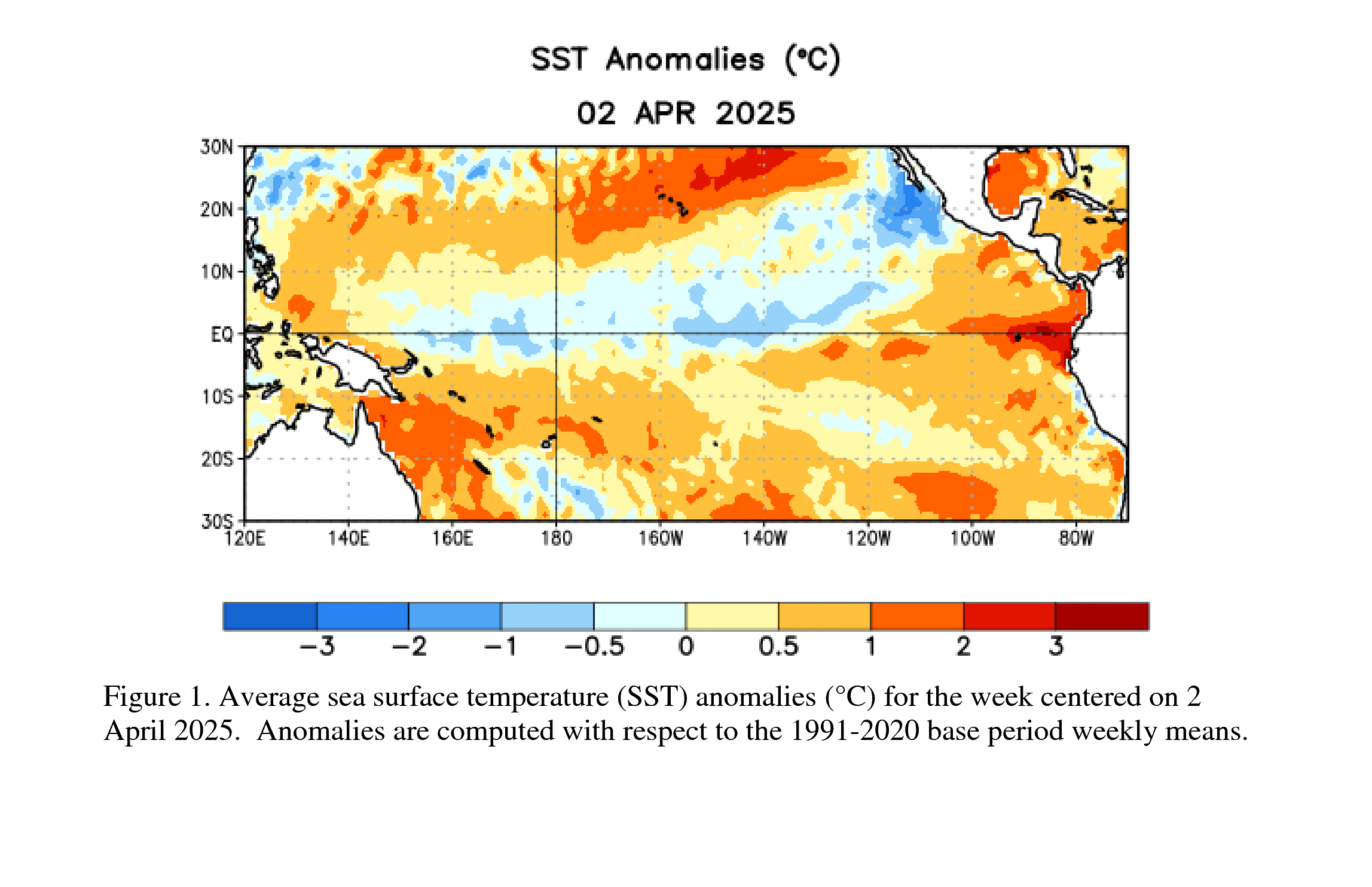
La Niña remained in place through February, with cooler-than-average ocean temperatures across the central Pacific. However, conditions beneath the surface are telling a different story. A growing pool of warmer water is building below the surface, signaling a shift that typically precedes El Niño development.
“In June-August 2026, El Niño is likely to emerge (62% chance) and persist through at least the end of 2026.” – CPC
Atmospheric patterns are still aligned with La Niña for now, including stronger trade winds and suppressed storm activity near the central Pacific. But those signals are expected to weaken in the coming weeks.

What Happens Next
The Climate Prediction Center expects La Niña to fade quickly, with ENSO-neutral conditions likely by late spring. From there, the odds tilt toward El Niño forming during the summer and continuing through the end of the year.
- Now through May: Transition to neutral conditions (55% chance)
- Summer (June–August): El Niño development likely (62% chance)
- Late 2026: El Niño expected to persist, with uncertain strength
There is even about a one-in-three chance that El Niño could become strong by late fall or early winter, though confidence in intensity remains low this far out.
Why This Matters
ENSO (El Niño–Southern Oscillation) is one of the most powerful drivers of global weather patterns. A shift to El Niño can influence everything from hurricane activity to winter snowfall and temperature trends across North America.
For the Midwest and Great Lakes:
- El Niño winters often trend milder overall
- Storm tracks can shift, impacting precipitation patterns
- Increased variability can still bring periods of active weather
The Bottom Line
The Pacific is in transition, and the atmosphere is likely to follow. While we’re not there yet, all signs point toward El Niño returning in 2026, setting the stage for a very different weather pattern heading into next winter.
