

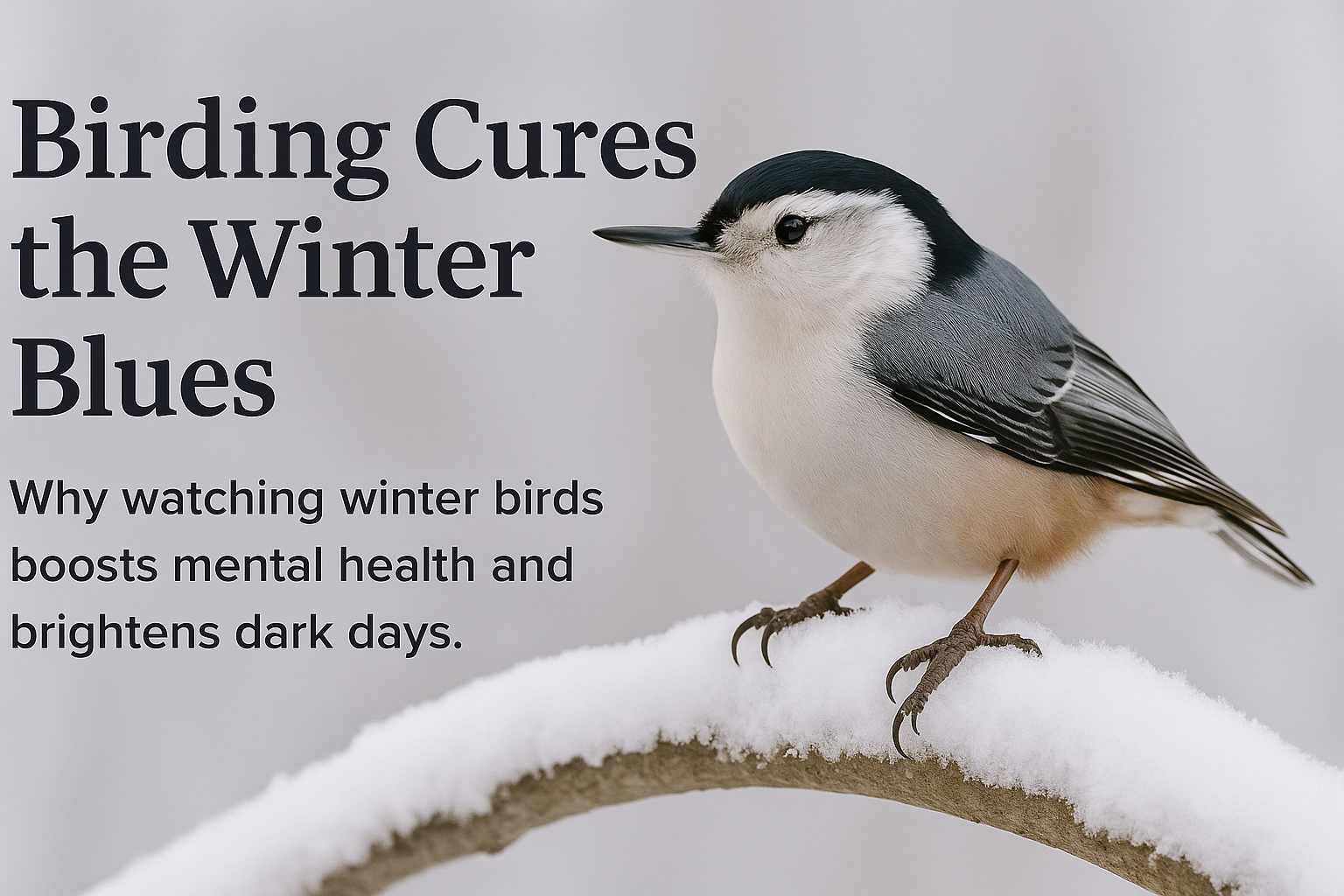
Winter birding lifts your mood, boosts mental health, and brings color back to the coldest months. A simple hobby with big benefits.
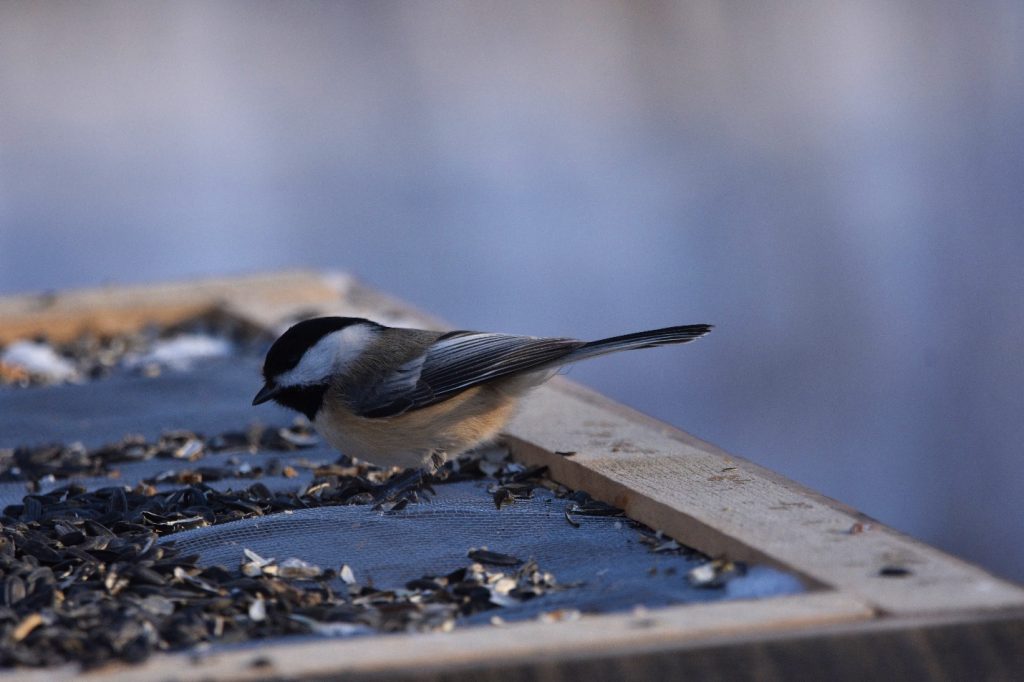
Figure 1 Black-capped Chickadee enjoying sunflower seed on a platform feeder in northern Wisconsin – Photo Credit: Eric Manges
After a fresh snow, cold Arctic air is often quick to follow in Wisconsin. On top of that, shorter periods of daylight make the winter season a tough one to handle emotionally without experiencing some level of cabin fever.
Seasonal depression, tiredness, and increased eating might be other impacts that creep in, but there is one form of life that can help you: birds. Yes, the hobby your grandparents had is not just a way to fight winter boredom but also a way to improve your mental health.
Simply hearing birdsong lowered students’ stress levels. Similar results have been found in studies involving nursing home residents and mental health professionals. – UK Study
A UK study published in June 2024, titled Birdwatching Linked to Increased Psychological Well-Being on College Campuses: A Pilot-Scale Experimental Study in ScienceDirect, found that birdwatching had a positive correlation with the mental health of college students. Simply hearing birdsong lowered students’ stress levels. Similar results have been found in studies involving nursing home residents and mental health professionals.
Birding Can Help In Many Ways
Not only can birdwatching potentially lower stress, but it can also lead to a greater appreciation of your surrounding habitats. It may lead you to learn how to identify all the trees in your yard or to research what birds need year-round to survive. You might be surprised to learn that insects, not seeds, are their primary food source.
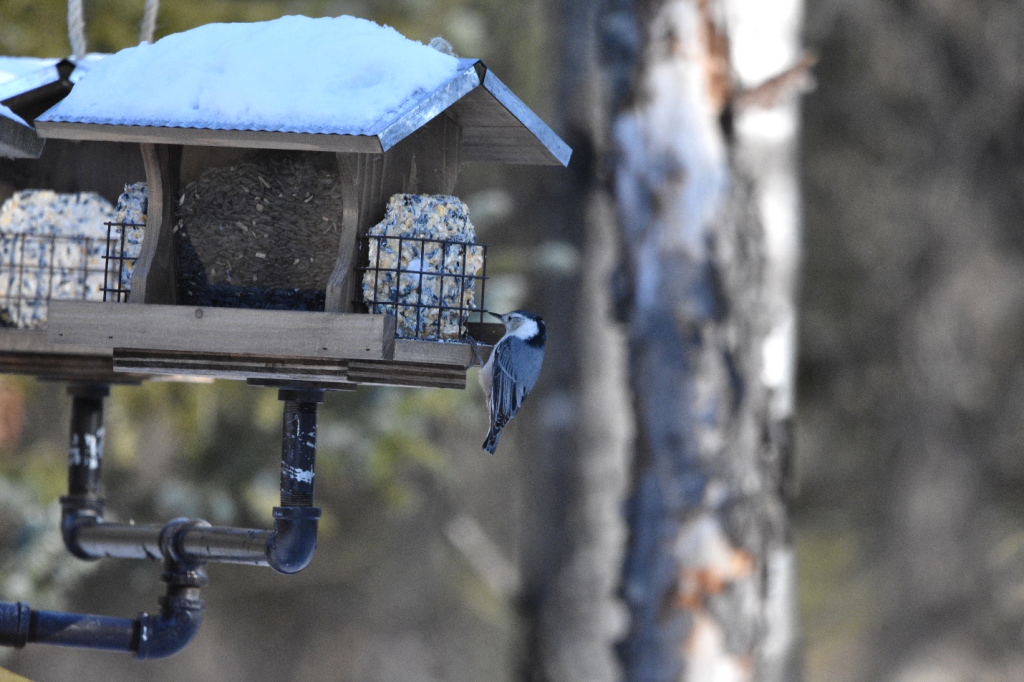
Figure 2 White-breasted Nuthatch enjoying suet on a bird feeder in northern Wisconsin Photo Credit: Eric Manges
The best part is that there is no wrong way to birdwatch. It can be as simple as setting out a bird feeder and identifying what stops by. Even in winter, there are dozens of native bird species in Wisconsin that will happily visit, as well as a handful of troublesome invasive species like House Sparrows and European Starlings that might take over.
Where To Start
There are numerous apps you can download on your phone, such as the Merlin Bird ID app, which can identify birds just by hearing their sounds. You can also use these apps to browse and learn about other bird species native to your region, depending on the time of year.
Common winter birds you might seed in Wisconsin include:
- -Northern Cardinal
- -Blue Jay
- -American Goldfinch (drabber winter color)
- -Downy Woodpecker
- -Black-capped Chickadee
- -American Robin (many Robins don’t migrate in winter at all)
- -Dark-eyed Junco
- -White-breasted Nuthatch
- -Red-bellied Woodpecker
- -House Finch
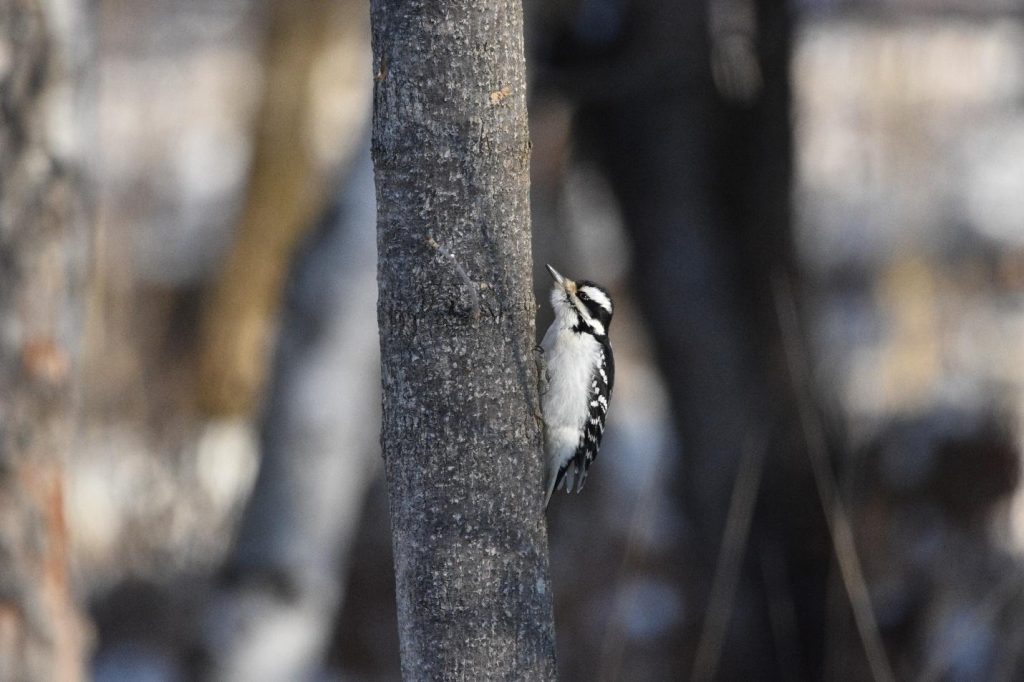
Figure 3 Downy Woodpecker exploring the trunk of a small tree Photo Credit: Eric Manges
While our winter birds might not be as colorful or diverse as the migratory species we see in spring, they are excellent reminders that there is always something happening in nature. Putting down your phone and exploring even what might be in your own backyard may be all it takes to help cure your winter blues.
– Eric Manges is a meteorologist, digital creator and nature expert. Watch for more stories from him here and Follow him on Facebook.
