

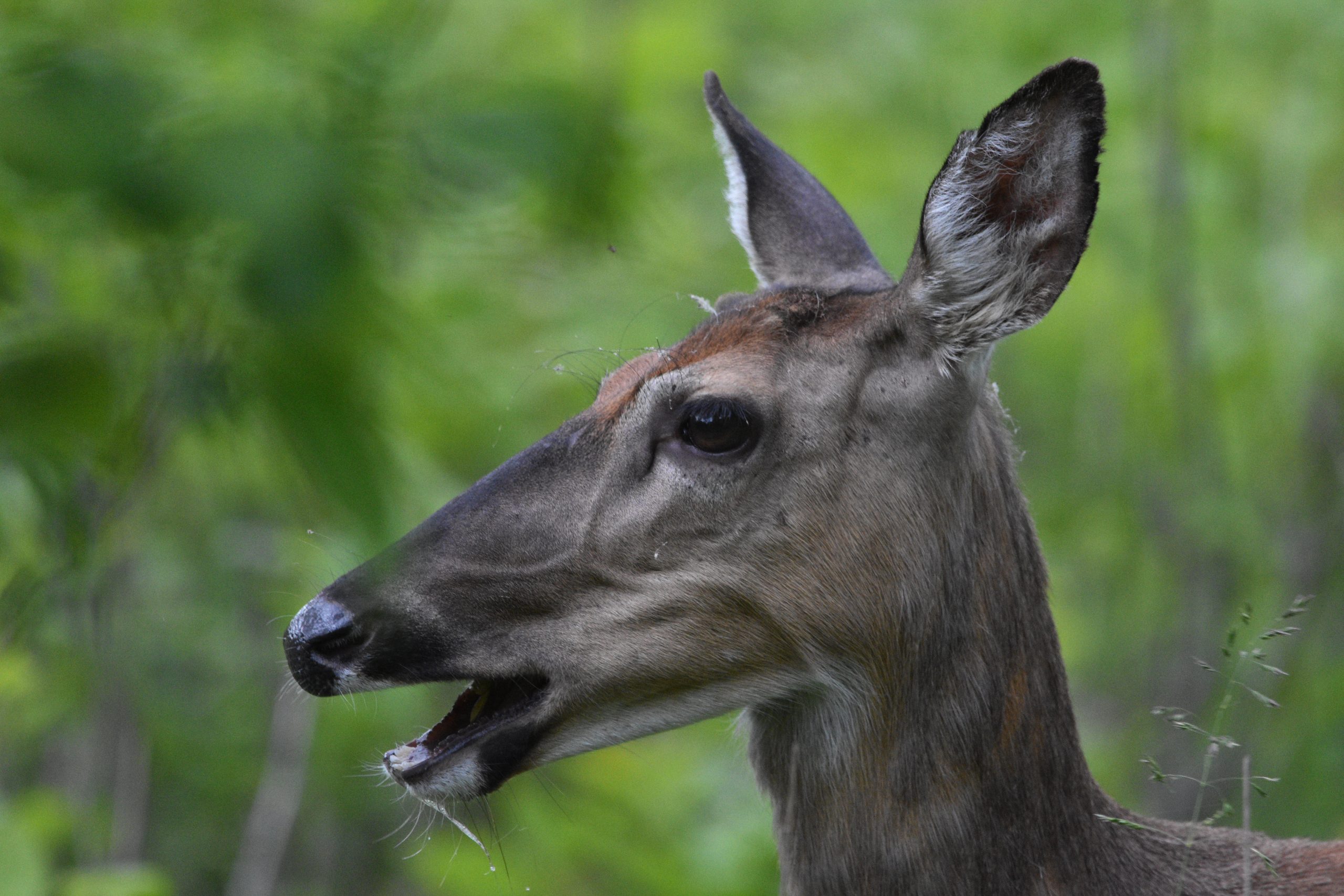
Wisconsin’s Badger State nickname may have originated from the name given to lead miners in the 1800s, but if the nickname were given today, it would be the Deer State.
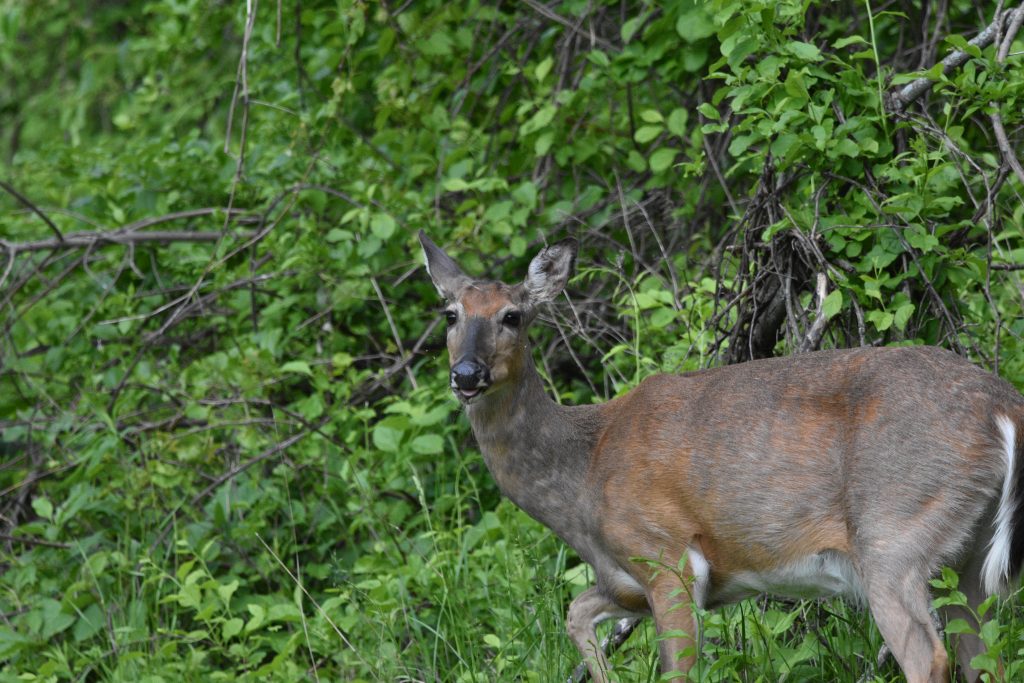
According to the Wisconsin Department of Natural Resources, the statewide white tailed deer population in 2025 was approximately 1.8 million individuals, nearly double the population in 2009.
Doubling the population of any animal in such a short period of time has consequences for an ecosystem. Locally, this impact can be observed simply by planting a tree. In Wisconsin, a tree planted at three to five feet in height without fencing is likely to be eaten or damaged before it has a chance to grow. Even in urban areas, large populations of white-tailed deer can be found.
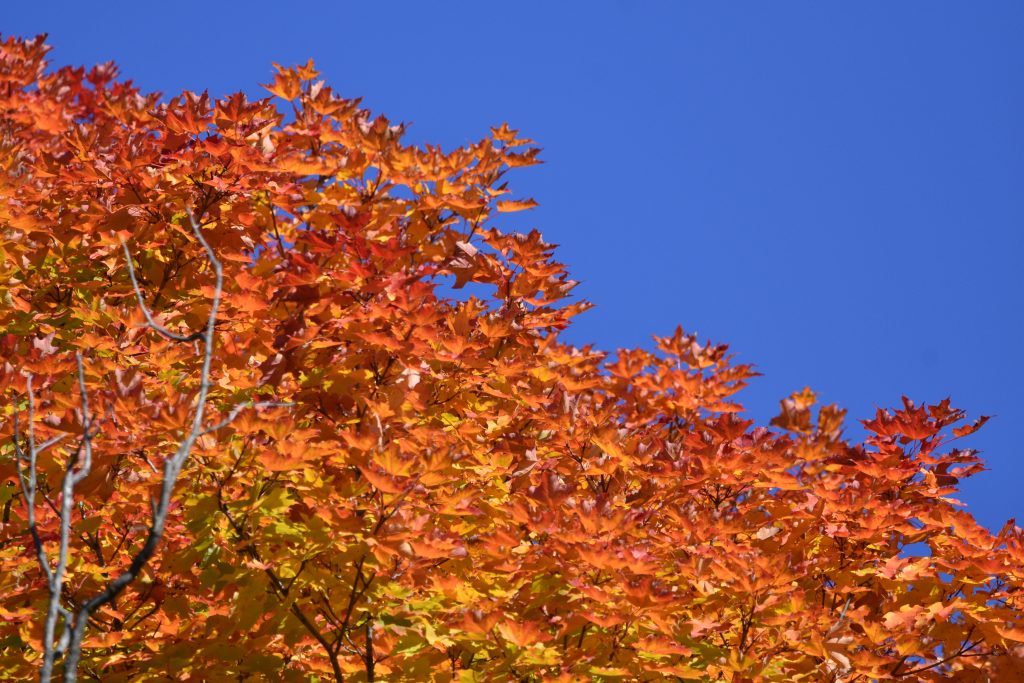
Native trees such as oaks, willows, cherry, plum, birch, and maple are all considered keystone species in the state of Wisconsin, according to the National Wildlife Federation. Their presence alone has a massive impact on the surrounding biodiversity of an area. Removing or preventing these trees from growing in a habitat takes away food sources for countless insects, birds, and mammals.
Deer not only browse future forests but, in doing so, promote non-native species such as common buckthorn, multiflora rose, and East Asian honeysuckle. These plants are unpalatable to deer, allowing invasive species to grow without competition for sunlight. This transition is shifting forests from diverse habitats into monocultures that are not much different from agricultural fields.
What is a healthy deer population that allows for forest regeneration while maintaining a balanced ecosystem? There are many opinions on this topic and a wide range of estimates for what Wisconsin can actually support. Numbers between half a million and one million are often suggested. However, it’s poorly studied without much research to back it up, one thing is certain. Wisconsin currently has too many deer.
This situation would be far worse if Wisconsin did not have one of the largest hunting populations in the country. Traditionally, hunting helped balance deer populations. However, hunter participation continues to decline each year, and the annual harvest required to maintain a stable population can no longer keep up.
According to the National Deer Association, significantly reducing deer populations requires removing 25 percent or more of the adult population each year. This means roughly half a million deer would need to be harvested annually, which is far above the approximately 150,000 to 200,000 deer currently hunted each year in Wisconsin, according to the Wisconsin Department of Natural Resources.
Biological control is often suggested as the next logical step toward restoring balance. Black bears and coyotes are the two dominant large predators in the state, and with the reintroduction of wolves in central and northern Wisconsin, some balance is theoretically being restored.
However, separating fact from fiction reveals limitations. The average wolf consumes roughly 20 deer per year, according to the Voyagers Wolf Project. With a statewide wolf population estimated between 1,000 and 1,500 individuals, this equates to approximately 20,000 deer killed annually by wolves. This number is comparable to the number of deer killed by vehicle collisions each year and remains far below the threshold needed to meaningfully reduce the overall population. Achieving a significant impact would require ten to fifty times the current wolf population.
Black bears, with an estimated population of 24,000, and coyotes, estimated between 17,000 and 20,000, are already widespread throughout the state. Despite their numbers, they do not reduce deer populations sufficiently on their own. It is therefore reasonable to conclude that large predators alone will not solve this problem.
Unless hunter participation rebounds or wolf populations increase dramatically, which is already a source of political conflict in the state, deer populations will likely continue to grow. Eventually, there will not be enough food to support them. As natural areas increasingly convert to invasive monocultures, Wisconsin will reach a carrying capacity unless deer populations are artificially supported through supplemental feeding.
Additional consequences of deer overpopulation include a higher prevalence of Lyme disease, increased vehicle collision risks, and the spread of diseases to moose, elk, and other deer.
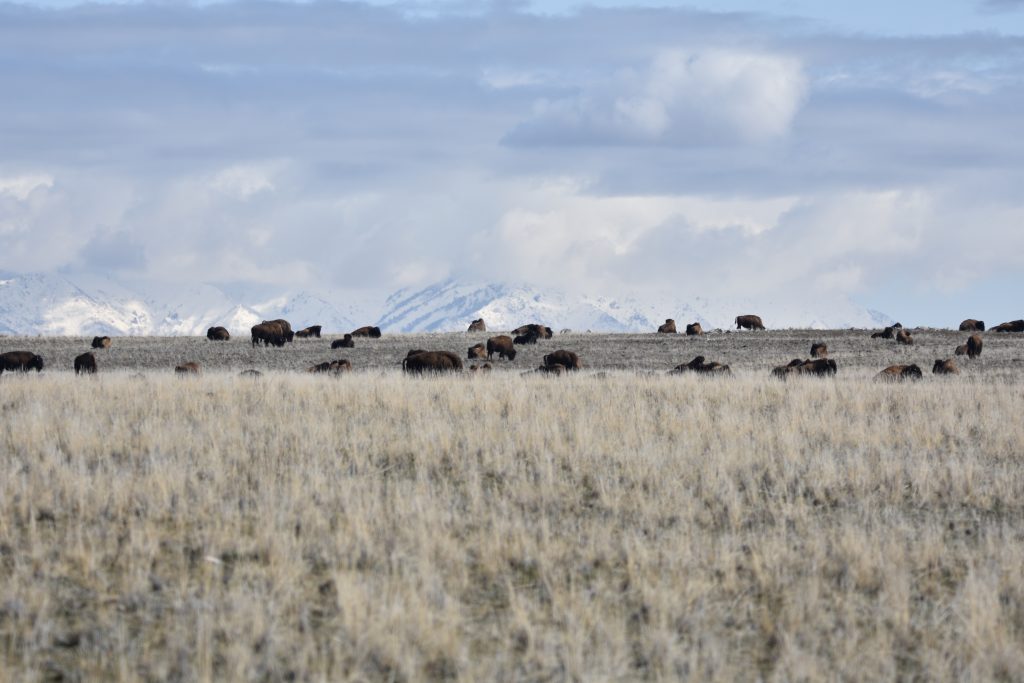
Historically, Wisconsin supported large herds of ungulates such as bison, elk, and deer, similar to those found in western states. Thanks to expansive prairies, savannas, and wetlands, the state once contained some of the most biologically diverse landscapes in the Great Lakes region.
However, overhunting and habitat loss due to farming have reduced these wild places to small, scattered remnants, primarily in the southwestern half of the state. Ironically underhunting is causing our deer issue today.
The outlook does not need to be bleak. Allowing large predators to coexist in new areas will help, but to undo the damage already done, reconnecting with the land and rebuilding our hunter population may be our best hope.
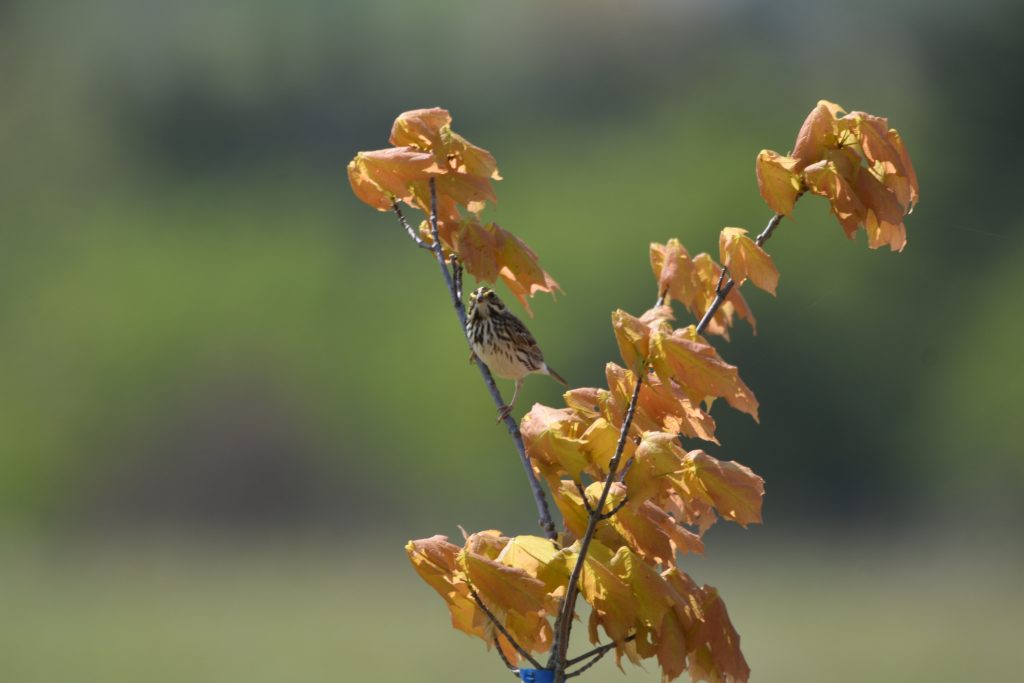
Reinvesting in land stewardship, along with fencing newly planted trees, can help restore generations of forest lost to browsing. Time will tell how many deer Wisconsin can support in the long term, and it is likely that unrestrained population growth will eventually come to an end.
