

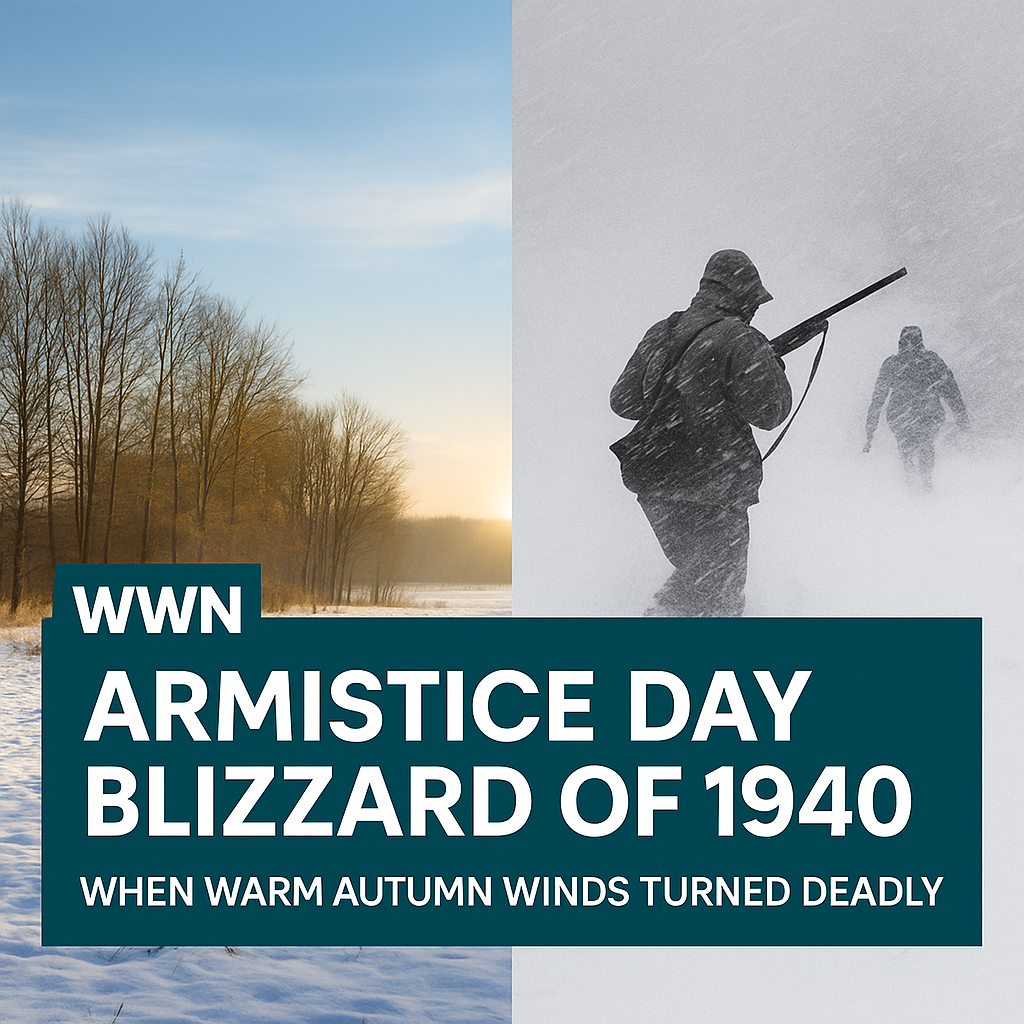
On Nov. 11, 1940, a mild fall morning turned deadly as a surprise blizzard killed 150 and reshaped the way we forecast weather in the Midwest.
It started like any other crisp November morning. On Armistice Day — November 11, 1940 — temperatures across the Upper Midwest were closer to September than winter. Chicago sat at 55°F, Davenport, Iowa at 54°F, and across Wisconsin, it was warm enough for hunters to take off their jackets.
By sundown, that same warmth had turned into one of the deadliest blizzards in American history.
When the storm finally cleared, more than 150 people were dead, thousands of farm animals had perished, and the way Americans understood, and forecast, the weather would never be the same.
A FALL MORNING THAT FOOLED EVERYONE
Weather forecasting in 1940 was still in its infancy. There were no satellites, no radar, and tragically, no 24-hour weather offices. Forecasts came over telegraph lines and were typed up twice a day on teletype machines. Most people heard them secondhand on the radio or pinned to a post office wall.
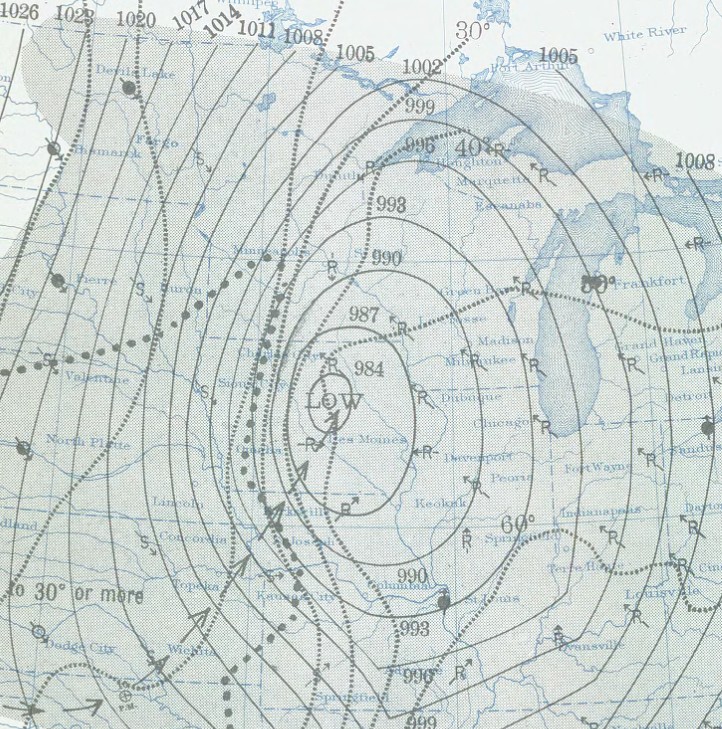
That morning, forecasters expected nothing worse than wind and rain. But a powerful low-pressure system the same storm that collapsed the Tacoma Narrows Bridge in Washington just days earlier — had crossed the Rockies and was strengthening fast.
By midday, the front reached Iowa and Minnesota. Temperatures plummeted, rain flipped to sleet, and then to snow. Within hours, winds near 80 miles an hour turned the landscape white.
THE DUCK HUNT THAT TURNED TRAGIC
The warmth had drawn hundreds of hunters to the Mississippi River backwaters along Wisconsin, Iowa, and Minnesota. Ducks filled the skies — a migration warning of the storm barreling in.
As the cold front hit, temperatures fell from the 50s to below zero, and 15-foot waves slammed into the marshes. Hunters’ boats capsized, and visibility dropped to nothing. Dozens never made it back. Those who survived the night did so by burrowing into cattails or sheltering in overturned boats.
“Rain started, and temperatures fell rapidly,” wrote meteorologist A.J. Knarr in 1941. “By the time the rain, sleet, and heavy snow reduced visibility to zero, hunters lost their opportunities to return safely to shore.”
CHAOS ACROSS THE MIDWEST
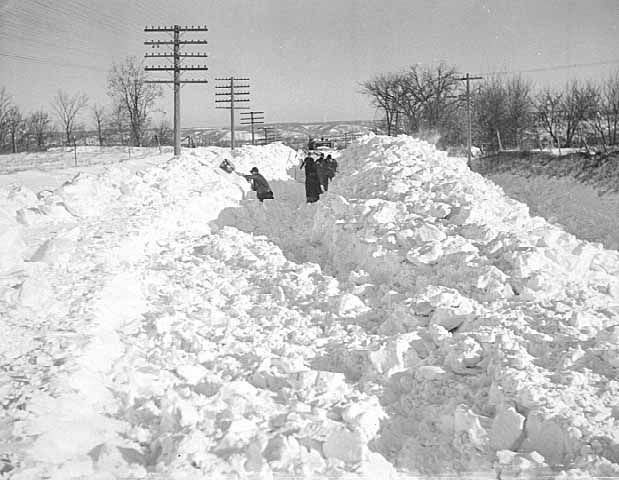
The storm’s reach went far beyond the rivers. Across Minnesota, Wisconsin, Iowa, and Michigan, more than a foot of snow fell, piling into 20-foot drifts. Passenger trains stalled, highways vanished under snow, and power and phone lines snapped.
Out on Lake Michigan, three ships sank off the coast of Pentwater, Michigan, killing 58 sailors. Survivors clung to wreckage for days before rescue crews could reach them.
Farther south, in Iowa, an ice storm wiped out apple orchards across the state. Many farmers abandoned fruit production for corn and soybeans, changing the region’s agricultural economy for good.
THE STORM THAT CHANGED WEATHER FORECASTING
The Armistice Day Blizzard became a wake-up call for meteorologists. In its aftermath, the U.S. Weather Bureau ( now known as the National Weather Service) expanded operations to run 24 hours a day and added new upper-air observations.
The event also taught a social lesson: forecasting isn’t just about atmosphere, it’s about people. The storm reshaped policy, science, and public awareness, reminding everyone how fast the Midwest can turn from calm to catastrophe.
STILL REMEMBERED, 85 YEARS LATER
Decades later, the Armistice Day Blizzard lives on in museums, oral histories, and family stories passed down through generations. For many in Wisconsin and across the Great Lakes, it remains the benchmark for all winter storms.
